What you get
-
A record taken first
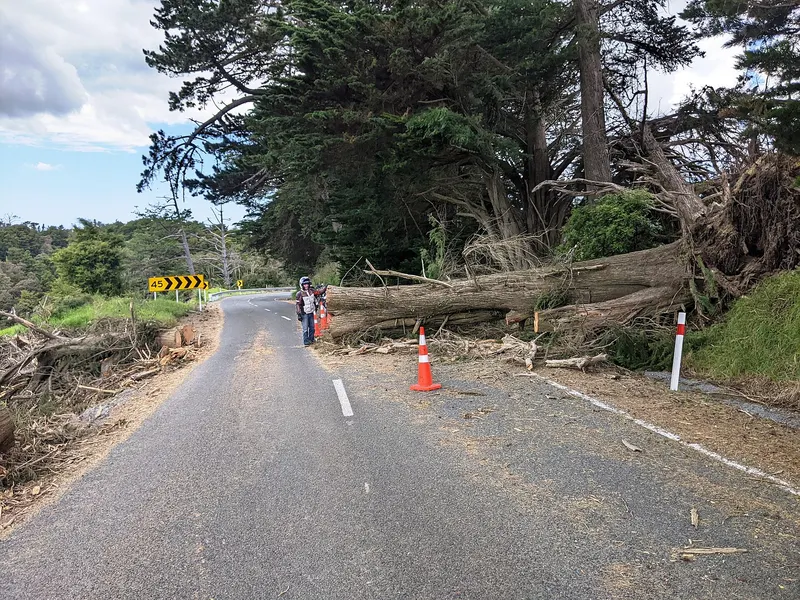
Every downed limb, split trunk, crushed planting and scoured bed photographed and listed before a single piece is moved. Once cleanup starts, that record cannot be recreated.
-
Written so it is readable
A dated list with photographs, locations and measurements, in plain language. What you do with it is your decision and your insurer's business.
-
One scope, one contractor
Debris removal, hazard trees, regrading and replanting under a single documented scope, so your paperwork and your invoices describe the same job.
-
Restored, not just cleared
From the first cut to the final planting. A cleared property is not a restored one, and the difference is usually several weeks of work nobody quoted for.
Questions we hear a lot
Do you handle my insurance claim for me?
No, and be wary of any contractor who says they will. We are landscapers: we document the damage thoroughly and restore the property. Your claim is between you and your insurer, and a policy question deserves an answer from someone qualified to give it.
What does a homeowners policy usually cover for landscaping?
Cover varies enormously between policies and insurers, so the only honest answer is to read yours or ask your agent. What we can tell you is that a thorough, dated photo record makes any conversation about it far easier.
How long do I have to file?
Deadlines are set by your policy and by state law, and they change — particularly after major hurricanes. Check with your insurer early. What is certain is that the evidence in your yard disappears as soon as cleanup starts.
This is a demonstration site, so it publishes no licence numbers, insurance certificates or accreditations. Prices, timings and outcomes described here are illustrative.